
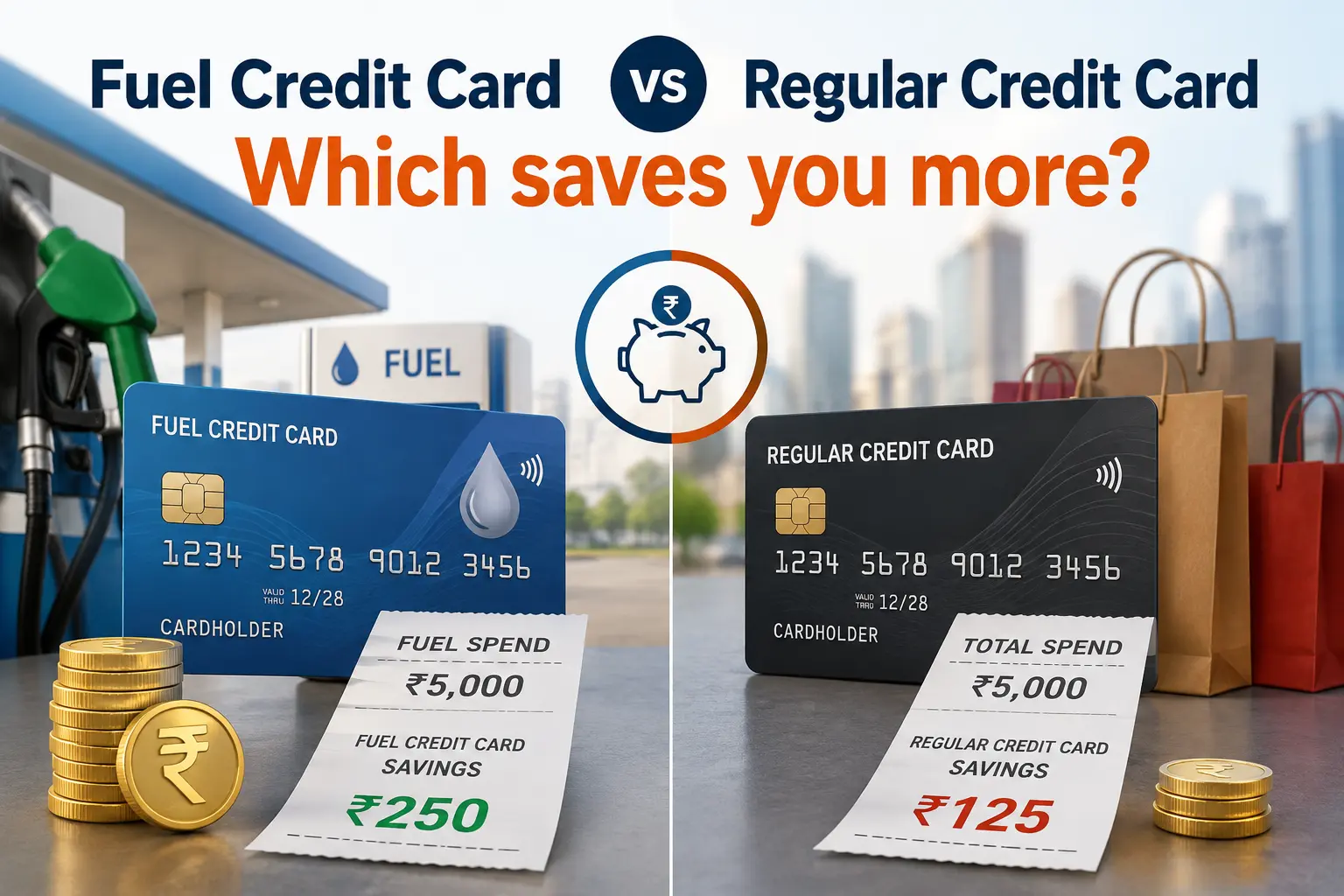
Credit cards are often chosen based on spending habits and reward preferences. While regular credit cards typically offer rewards across multiple categories, a fuel credit card is designed to provide benefits on fuel purchases and related expenses. The potential savings from either option depend on how the card is used and the categories where most spending occurs.
Individuals searching for the best credit card should compare reward structures, fees and additional benefits before making a decision. Understanding the differences between these card types can help users maximise value from their everyday spending.
What is the difference between a fuel credit card and a regular credit card?
A fuel credit card primarily focuses on providing rewards or savings on fuel transactions. In contrast, a regular credit card generally offers rewards across a broader range of spending categories.
|
Feature |
Fuel Credit Card |
Regular Credit Card |
|
Fuel benefits |
Usually available |
May be limited |
|
Reward categories |
Fuel-focused |
Multiple categories |
|
Lifestyle benefits |
Varies by issuer |
Often available |
|
Cashback opportunities |
Fuel-related spending |
Broader spending categories |
When evaluating the best credit card, understanding these differences is an important first step.
Benefits of a fuel credit card
A fuel credit card may offer several advantages for individuals who frequently spend on fuel.
· Fuel-related savings
Many cards provide rewards, cashback or surcharge waivers on eligible fuel transactions, subject to issuer terms.
· Suitable for regular commuters
Individuals who drive frequently may benefit from rewards linked to fuel purchases.
· Additional card benefits
Some fuel-focused cards also include rewards on other categories such as groceries, dining or utility bill payments.
· Simplified spending rewards
Cardholders can earn benefits from a category that forms a regular part of monthly expenditure.
· Potential value for vehicle owners
A fuel credit card may help optimise savings when fuel expenses represent a significant share of overall spending.
Features to consider before choosing a card
Selecting the best credit card requires evaluating more than just reward rates.
· Spending habits
Review whether fuel purchases represent a major portion of your monthly spending.
· Reward structure
Compare cashback, reward points and redemption options offered by different cards.
· Fees and charges
Review joining fees, annual fees and other applicable charges.
· Additional benefits
Consider features such as:
● Dining offers
● Travel benefits
● Cashback programmes
● Reward points
● Lifestyle privileges
How to choose between a fuel and regular credit card
- Analyse your monthly spending pattern.
- Calculate the amount spent on fuel each month.
- Compare fuel-specific benefits with broader reward programmes.
- Review fees, charges and eligibility requirements.
- Assess whether a fuel credit card provides meaningful savings based on your spending behaviour.
- Compare multiple options when searching for the best credit card.
- Review the complete card terms before applying.
These steps may help applicants identify a card that aligns with their financial needs and spending preferences.
Conclusion
The choice between a fuel credit card and a regular credit card depends largely on spending habits. Individuals with significant fuel expenses may benefit from fuel-related rewards and savings, while others may find greater value in broader reward programmes. When selecting the best credit card, it is important to compare reward structures, fees and additional benefits to determine which option offers the greatest overall value.
FAQs
What is a fuel credit card?
A fuel credit card is designed to offer rewards, cashback or fuel-related benefits on eligible fuel transactions, subject to issuer terms.
Who should consider a fuel credit card?
Individuals who spend regularly on fuel may find these cards beneficial.
Are regular credit cards better than fuel credit cards?
The answer depends on spending patterns and the type of rewards a cardholder values most.
What should I compare before choosing a credit card?
Compare rewards, fees, eligibility requirements, redemption options and additional card benefits.
How can I identify the best credit card for my needs?
Review your spending habits and compare card features to determine which option provides the most relevant benefits.




Leave a Comment