Electric vehicles are becoming a practical choice for many Indian car buyers, especially for daily city travel. However, an EV works differently from a petrol or diesel car, and this also affects its insurance needs.
The battery, motor, charging system and repair process require closer attention. Understanding these differences can help you choose suitable coverage and avoid confusion during renewal or claims.
Why EV Insurance Needs a Different Approach
When you compare car insurance online, do not decide only by the premium amount. For an electric vehicle, you should also check whether the policy supports EV-specific parts. A petrol or diesel car mainly depends on an engine, gearbox and fuel system.
An EV depends on a battery pack, electric motor, controller and charging system. Any damage near the battery, charging port or electrical system may need trained inspection before repairs begin.
EV Cars vs Petrol or Diesel Cars
The basic purpose of motor insurance remains similar for all cars. It helps with covered vehicle damage and third-party liability. The difference lies in the parts that may need repair or replacement.
| Point Of Difference | Electric Car | Petrol Or Diesel Car |
| Main Component | Battery and electric motor | Engine and fuel system |
| Repair Requirement | EV-trained inspection may be needed | Regular motor repair support is commonly available |
| Add On Focus | Battery, charger, motor and roadside support | Engine protection, consumables and depreciation-related cover |
| Claim Assessment | Electrical parts may need careful checking | Mechanical and body damage are usually assessed |
Battery and Electrical Parts Need Careful Review
The battery, motor and controller are key parts of an electric car. Their repair needs can be different from regular body damage, so check whether they are covered under the main policy or through suitable add-ons.
A comprehensive policy may cover accidental damage, theft, fire, natural events and third-party liability, subject to policy terms. Always review inclusions, add-ons and claim conditions before buying or renewing.
Charging Equipment Should Not Be Ignored
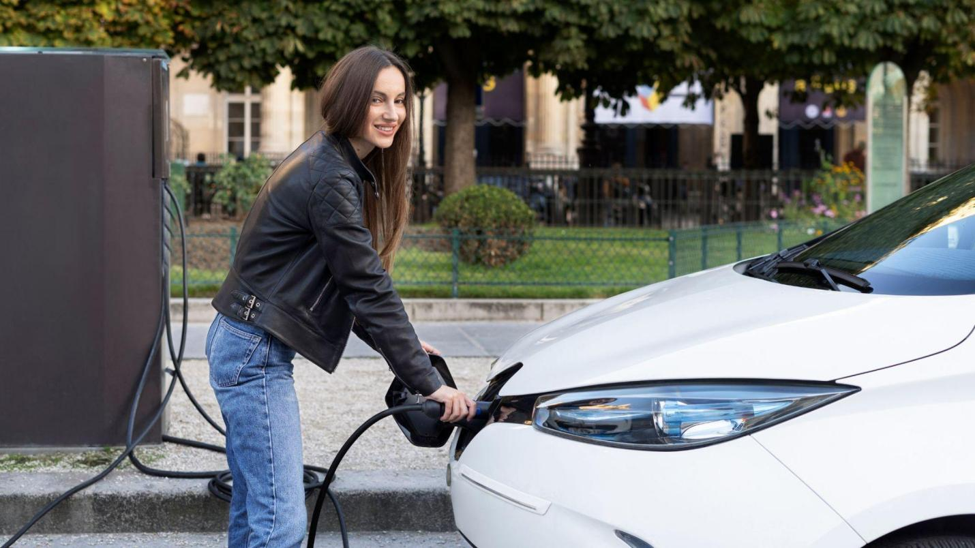
Many EV owners use home chargers, portable cables or charging accessories. These items support daily use, so check how the policy treats them. Some plans may offer protection for charging equipment through specific covers or add-ons.
This is useful if you depend on home charging, park in a shared area or travel between cities. A clear check can reduce confusion later.
Premiums May Be Calculated Differently
The premium for any car policy depends on the vehicle model, age, location, Insured Declared Value, policy type, add-ons and claim history. For EVs, the value of the battery and electrical parts may also influence the assessment.
While comparing policies, look beyond price. Check the garage network, claim support, deductibles, roadside assistance and whether the cover suits your driving pattern.
Add-Ons EV Owners Can Consider
Add-ons are optional, but they can make the policy more suitable for your needs. EV owners may review them based on usage, parking conditions and repair access.
Useful add-ons may include:
- Zero depreciation cover for eligible parts
- Roadside assistance for breakdown support
- Cover for charger or electrical parts, where available
- Consumables cover, depending on the insurer’s offering
Select add-ons after understanding their terms. Not every add-on is necessary for every owner.
No Claim Bonus and EV Renewal
The no-claim bonus in car insurance is a renewal benefit for claim-free policy years. It may reduce the own damage premium at renewal, subject to policy terms. EV owners should consider this before filing small claims.
If the repair cost is minor, compare it with the possible NCB impact. If you have NCB protection, check its conditions because such covers usually work within defined limits.
Claim Process for EV Damage
The claim process for an EV is broadly similar to that of other cars. Inform the insurer, share accident details, submit required documents and allow inspection if needed. Trained professionals should check damage near the battery, motor or charging system.
Avoid starting major repairs without following the claim process. Keep photographs, repair estimates and relevant documents ready.
Final Thoughts
EV car insurance is different because the car itself works differently. Petrol and diesel cars need cover around the engine and mechanical parts, while EVs need closer attention to the battery, motor, charger and electrical systems.
Before choosing a policy, review cover, add-ons, claim support, deductibles and NCB impact. A careful comparison can help you choose protection that suits your EV usage.