
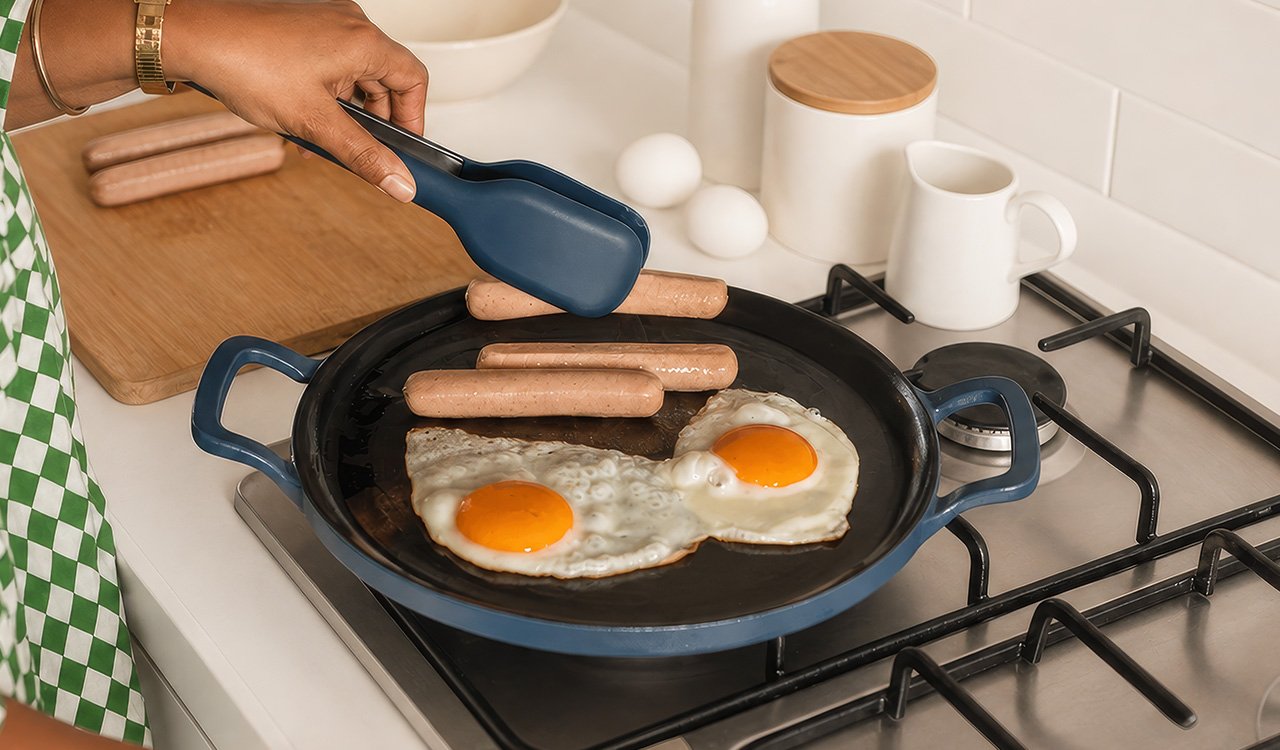
The modern Indian kitchen is undergoing a quiet, sophisticated transformation. Daily cooking habits are shifting steadily toward mindful preparation, healthy habits, and minimal oil usage. Traditional heavy cast iron kadhais and old-school pots are sharing shelf space with newer, sleek alternatives. Home chefs want kitchen tools that handle everyday gentle tempering, sauteing, and daily meals effortlessly while remaining incredibly easy to clean after dinner.
A non-stick cookware set has emerged as a popular choice for families looking to upgrade their daily culinary setup. It offers a smooth cooking surface without the synthetic chemical coatings found in older kitchen gear.
Understanding Ceramic Coatings
Every non-stick surface features distinct manufacturing methods. Traditional non-stick items often rely on plastic-based coatings that can degrade under high heat. Ceramic options use a natural, silica-based gel layer. This layer is cured using heat, turning into a sleek, glass-like surface that naturally resists sticking.
For Indian households, this material change is highly beneficial. Recipes involving turmeric, tomatoes, and rich spices can easily stain porous surfaces. A high-quality ceramic layer prevents food particles from binding to the base, making clean-up fast and straightforward. When shopping for ceramic cookware for daily Indian cooking, prioritise safety and ensure PFOA/lead-free certification to keep your everyday meals clean and wholesome. If you are browsing options to refresh your culinary space, buying the best non-stick cookware set online involves balancing durability, thermal efficiency, and lifestyle fit.
Heat Distribution and Base Thickness
Indian cooking is beautifully diverse, ranging from slow-simmered dals to fast, high-heat stir-fries. To handle these demands, the core material beneath the ceramic layer matters immensely. Pure ceramic pots exist, but metallic bases coated with ceramic layers offer much better utility for daily tasks.
When evaluating construction, prioritise sets with a heavy tri-ply or forged aluminium base for even heat distribution. This prevents hot spots that can scorch food in the centre while leaving the edges undercooked.
- Forged Aluminium: This material is incredibly lightweight, highly responsive to sudden temperature changes, and excellent for everyday meals like upma, poha, and vegetable stir-fries, ensuring smooth heat distribution across the entire surface.
- Heavy Tri-Ply: This construction provides exceptional heat retention and durability, making it perfect for slow-cooked curries and gravies that require long, steady simmering over a consistent flame.
Additionally, always verify induction compatibility to ensure the cookware functions seamlessly across gas stoves and modern induction cooktops.
Choosing the Right Pieces for Indian Menus
A standard cookware set often includes items designed for Western baking or shallow frying. For a typical Indian home, your set needs shapes that accommodate liquid volume, tossing, and steaming. Instead of buying a massive multi-piece bundle filled with items you might never use, focus on these essential shapes:
The Deep Kadhai
Look for deep, curved kadhai shapes when selecting your set. This traditional design is the absolute backbone of the kitchen, providing ample room for stir-frying seasonal vegetables, deep-frying occasional treats, or tossing semi-dry sabzis without spilling over the sides.
The Flat Tawa
Whether you make rotis daily or enjoy weekend parathas, a sturdy tawa is indispensable. A flat, durable ceramic non stick tawa allows you to flip flatbreads easily with minimal butter or oil.
The Covered Saucepan or Frypan
A frypan with a well-fitted glass lid is ideal for making breakfast poha, upma, or simmering coastal fish curries. The lid helps trap moisture, allowing vegetables to steam gently in their natural juices.
Evaluating Handles and Lids
Small design details often dictate how much you will enjoy using a pan every day. Indian recipes frequently require steadying the pan with one hand while vigorously stirring or whisking with the other.
Look for sturdy, stay-cool handles made from premium silicone or riveted stainless steel. Phenolic or bakelite handles stay comfortable to hold during long cooking sessions on gas burners. For lids, clear tempered glass is highly practical. It allows you to check on your rice or curry without lifting the cover and letting valuable steam escape.
Finding a Balance
Finding the right kitchenware is about matching your cooking frequency with your design aesthetic. Modern options are designed to look beautiful on the stovetop while delivering solid utility. Brands like Ember Cookware focus on crafting clean, international-quality kitchen tools specifically tailored for the conscious contemporary consumer.
Investing in a well-made ceramic set ensures your daily cooking routine stays efficient and enjoyable. Take your time to compare base materials, check the sizes against your family requirements, and select a colour palette that complements your home interior. With the right choice, your everyday cooking feels less like a chore and more like a creative, healthy ritual.