
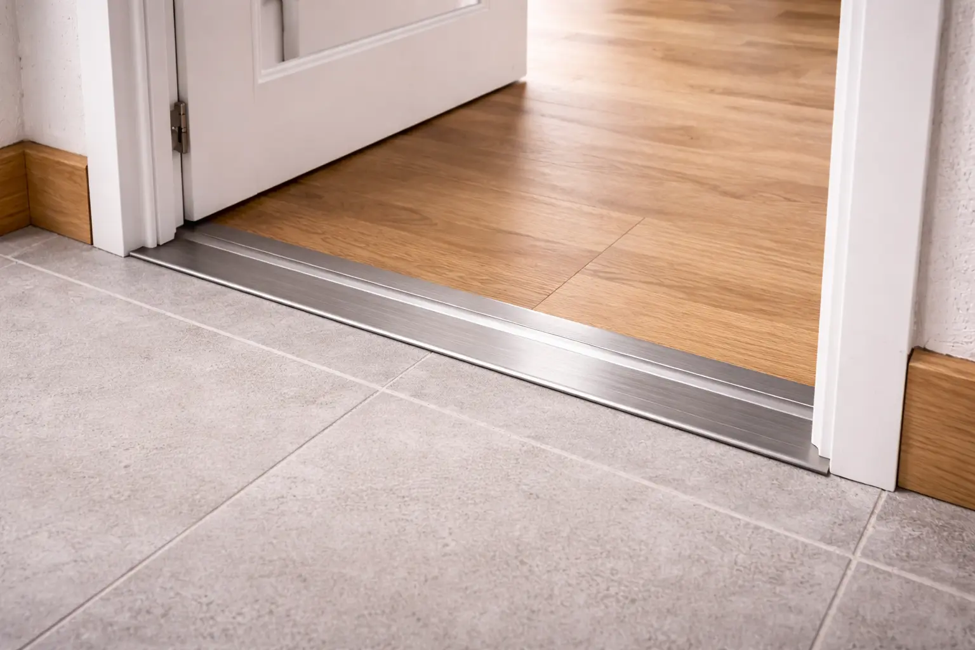
Monsoons test your home to its absolute limits, and your doorways usually take the hardest hit. Between constant wet footsteps, abrasive mud, and relentless humidity, choosing the right material is a make-or-break decision for modern door sill design. Traditional wood rots and natural stones easily warp or stain under these harsh conditions, turning an elegant entryway into a maintenance nightmare. A great threshold must stop water leaks, resist heavy scratches, and look effortless. Comparing the top materials side-by-side helps you choose a surface that actually survives the elements while keeping your entryways beautiful.
What Makes a Good Door Sill Material?
A door sill acts as the transition between spaces while protecting flooring from moisture, dust, and everyday wear. Since it is positioned in one of the most frequently used areas of a building, the material should deliver both durability and visual consistency.
Some of the key qualities to consider include:
- Moisture resistance: The material should resist water absorption to prevent swelling, cracking, or long-term deterioration during monsoons.
- Wear resistance: Daily foot traffic should not easily scratch or damage the surface.
- Slip resistance: A suitable finish helps improve safety, particularly in wet conditions.
- Low maintenance: Materials that require minimal sealing or regular treatment are easier to maintain.
- Design flexibility: A variety of colours, textures, and finishes allows the door sill to complement different architectural styles.
These requirements have increased the demand for materials that combine long-term durability with contemporary design, particularly in residential and commercial applications.
Comparing Popular Door Sill Materials
Door sills are available in a variety of materials, each offering different levels of durability, maintenance, and weather resistance. Understanding how these materials perform helps determine which option is best suited for areas exposed to frequent foot traffic and changing weather conditions.
Natural Stone
Natural stone has long been used for door sills because of its strength and distinctive appearance. Materials such as granite and marble complement a variety of architectural styles while offering good durability. However, many natural stones are porous and require periodic sealing to protect against moisture, stains, and weather-related wear.
Wood
Wooden door sills create a warm, natural look that suits traditional and rustic interiors. While visually appealing, they are more susceptible to moisture, swelling, and surface wear when exposed to prolonged humidity or heavy foot traffic. Regular maintenance is essential to preserve their appearance and performance.
Ceramic and Porcelain
Ceramic and porcelain door sills offer good moisture resistance and are available in a wide range of colours and finishes. They are relatively easy to maintain but may chip or crack under heavy impact, making them less suitable for busy entrances.
Engineered Surfaces
Engineered surfaces are designed to withstand demanding environments while maintaining a consistent appearance. Their non-porous composition resists moisture, scratches, stains, and everyday wear. For example, brands such as Neotra Advanced Surfaces offer surfaces like Scala Mist for window and door sill applications, combining a stone-inspired finish with excellent resistance to water, UV exposure, and abrasion.
Each material offers unique advantages, but their ability to withstand monsoons and continuous daily wear varies significantly.
Door Sill Materials Compared: Which Performs Better During Monsoons?
Monsoon conditions place additional stress on door sills through continuous exposure to water, dirt, and heavy foot traffic. While many materials perform well under normal conditions, their long-term durability often depends on how effectively they resist moisture, wear, and maintenance requirements.
| Feature | Natural Stone | Wood | Ceramic & Porcelain | Engineered Surface |
| Moisture resistance | Moderate (requires sealing) | Low | High | Excellent |
| Scratch resistance | Good | Moderate | Good | Excellent |
| Stain resistance | Moderate | Low | High | Excellent |
| Slip resistance | Depends on the finish | Moderate | Depends on the finish | Available in textured finishes |
| Maintenance | Moderate to High | High | Low | Low |
| Long-term durability | Good | Moderate | Good | Excellent |
Engineered surfaces offer the most balanced combination of durability, weather resistance, and low maintenance, making them a dependable choice for door sills in high-traffic and moisture-prone areas.
Door Sill Design Ideas for Modern Homes
A well-designed door sill enhances the transition between spaces while protecting flooring from moisture and everyday wear. The right door sill design should complement the home's architectural style while remaining practical for daily use.
Flush Door Sills
Flush door sills create a seamless transition between adjoining spaces, giving interiors a clean and contemporary appearance. Their level profile also improves accessibility and reduces the risk of tripping.
Raised Door Sills
Raised door sills provide an additional barrier against water ingress, making them suitable for exterior entrances and balconies exposed to heavy rainfall. They also help prevent dirt and debris from entering indoor spaces.
Contrasting Door Sills
Using a contrasting material or colour helps define the doorway and creates a visual focal point. This design approach works well in modern interiors where subtle architectural details enhance the overall aesthetic.
Stone-Inspired Door Sills
Stone-inspired finishes bring the appearance of natural stone while maintaining a refined, contemporary look. They complement a wide range of flooring materials and suit both residential and commercial spaces.
The effectiveness of any door sill design depends not only on its appearance but also on the finish and material used. Selecting the right combination helps ensure both visual appeal and long-term performance.
Colours and Finishes for Door Sills
The colour and finish of a door sill influence both its appearance and long-term usability. The right finish should complement the surrounding flooring while remaining practical for areas exposed to moisture, dirt, and frequent foot traffic.
- Stone-inspired finishes: Replicate the natural look of stone while complementing both modern and traditional interiors.
- Concrete-inspired finishes: Create a clean, minimalist aesthetic suited to contemporary homes and commercial spaces.
- Neutral colours: Shades such as grey, beige, and ivory blend seamlessly with a wide variety of flooring materials.
- Textured finishes: Improve grip under wet conditions, making them suitable for entrances exposed to rain.
- Matte finishes: Minimise the visibility of water spots, dust, and footprints while creating a refined appearance.
A well-selected finish enhances the appearance of a door sill, but long-term performance ultimately depends on choosing a material that can withstand changing weather conditions and continuous use.
Conclusion
Door sills are exposed to some of the toughest conditions in a building, making material selection an important factor in their long-term performance. While natural stone, wood, and ceramic continue to be widely used, engineered surface materials offer a more balanced combination of durability, moisture resistance, and low maintenance. By comparing materials for weather resistance, durability, design, and maintenance, it becomes easier to select a door sill solution that performs reliably in monsoons while complementing modern architectural styles.





Leave a Comment