Luxury hotels have long mastered the art of creating memorable experiences. From the calming atmosphere of a spa suite to the convenience of concierge services, every detail is carefully designed to make guests feel comfortable and cared for. Today, these experiences are increasingly influencing residential interiors as homeowners seek to recreate the sophistication, comfort, and indulgence of hospitality spaces within their own homes. This shift reflects a growing desire for homes that offer more than just aesthetic appeal. Modern homeowners are prioritizing wellness, convenience, and experiential living, borrowing design principles that have long defined the world’s finest hotels.
Resort-Style Amenities Come Home
One of the most visible hospitality-inspired trends is the integration of hotel-style amenities into residential spaces. Luxury homeowners increasingly expect their residences to provide the same level of comfort and convenience associated with premium resorts.
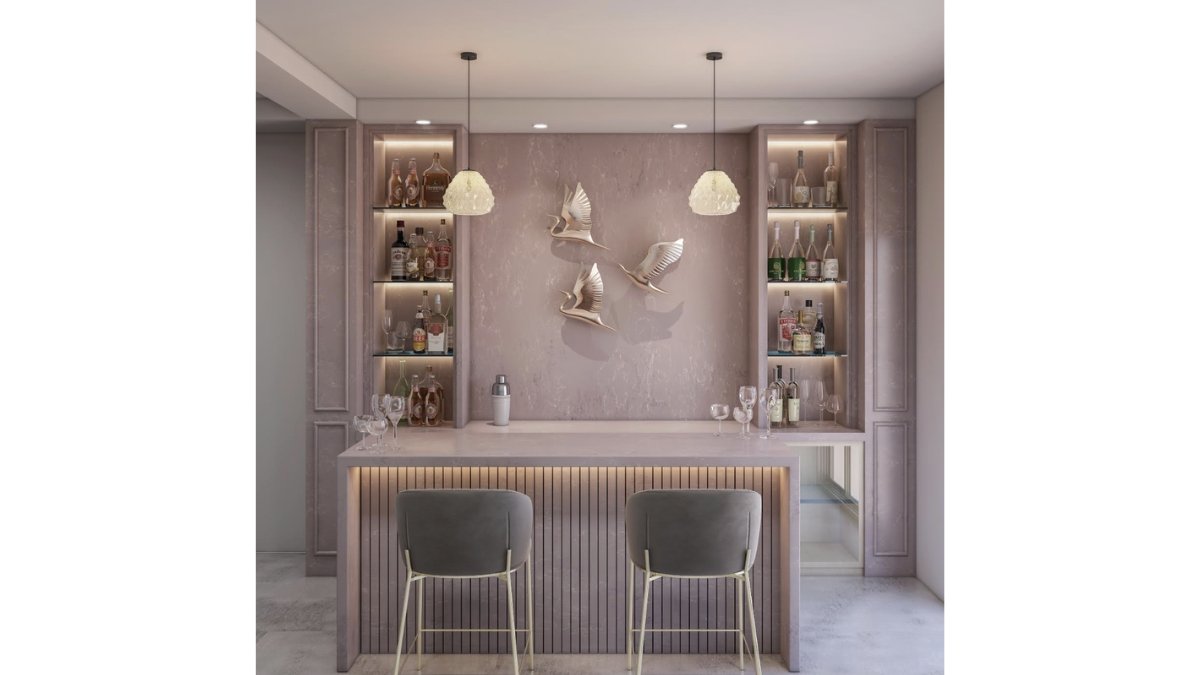
Spa-inspired bathrooms featuring soaking tubs and rainfall showers, private entertainment lounges, home bars, wellness corners, and dedicated reading nooks are becoming common additions. Many luxury developments are also incorporating features such as yoga decks, private screening rooms, and wellness facilities that were once exclusive to high-end hospitality properties.
The focus is no longer just on square footage but on creating a lifestyle experience within the home itself.
Statement Surfaces That Create Lasting Impressions
Walk into any luxury hotel and you’ll immediately notice the attention given to materials. Reception counters, feature walls, bathroom vanities, and dining spaces often use surfaces that create a strong visual impact while conveying elegance and permanence.
Homes are increasingly embracing this approach. Kitchen islands, dining counters, wall cladding, and vanity units are being treated as design focal points rather than purely functional elements. Engineered quartz surfaces have become particularly popular because they combine durability with sophisticated aesthetics. Specta Quartz Surfaces, for example, offers designs inspired by natural stone, subtle veining, and contemporary colour palettes that align well with hospitality-inspired interiors while remaining practical for everyday living.
Materiality and Sensory Luxury
A defining characteristic of luxury hospitality design is its emphasis on sensory experiences. Hotels carefully curate materials that not only look refined but also feel luxurious to the touch.
This approach is increasingly shaping residential interiors. Natural wood finishes, soft upholstery, textured fabrics, brushed metals, and stone-inspired surfaces are being layered together to create spaces that feel rich and inviting. Brands such as Jaipur Rugs have become popular for introducing handcrafted textures and warmth through artisanal floor coverings, while labels like Nicobar Home offer thoughtfully designed décor pieces that contribute to a relaxed yet elevated aesthetic.
The goal is not extravagance, but a sense of understated luxury that engages multiple senses and creates a welcoming atmosphere.
Hospitality-Inspired Lighting Strategies
Hotels use lighting to create mood, guide movement, and influence how guests experience a space throughout the day. This philosophy is finding its way into residential design. Instead of relying solely on ceiling fixtures, homeowners are embracing layered lighting schemes that combine ambient, task, and accent lighting. Dimmers allow spaces to transition effortlessly from bright and functional during the day to warm and intimate in the evening. Accent lighting highlights artwork, textures, and architectural details, while decorative fixtures double as sculptural focal points.
Natural light also plays a critical role. Large windows, sheer curtains, and thoughtful space planning help maximize daylight, while warm-toned artificial lighting creates a sense of comfort after sunset.
Smart Systems and Concierge-Like Convenience
Luxury hotels have conditioned guests to expect effortless service, and homeowners increasingly want the same experience in their residences. Smart home technology is making this possible. Automated lighting, climate control, motorized curtains, integrated security systems, and voice-enabled controls allow homes to respond intuitively to everyday needs.
Many premium residential developments are also introducing concierge-style services for housekeeping, maintenance, deliveries, and resident assistance. These offerings reflect how hospitality principles are influencing not just interior design, but the overall experience of living.
Outdoor Spaces Inspired by Luxury Retreats
The influence of hospitality design no longer stops at the home’s interior. Outdoor spaces are becoming equally important in creating a complete luxury experience.
Drawing inspiration from boutique resorts and wellness retreats, homeowners are transforming balconies, terraces, gardens, and porches into thoughtfully designed extensions of their living spaces. Comfortable lounge seating, curated landscaping, ambient lighting, and elegant outdoor dining areas help create spaces that encourage relaxation and social interaction.
Bringing Hospitality Home
The growing influence of hospitality design reflects a broader shift in how luxury is defined. Today, luxury is less about excess and more about experience—spaces that feel intuitive, restorative, and thoughtfully designed.
From resort-inspired amenities and sensory-rich materials to layered lighting and seamless convenience, homeowners are increasingly embracing the principles that have long shaped the hospitality industry. As a result, homes are evolving into environments that offer the comfort, refinement, and sense of escape once reserved for luxury hotels—making everyday living feel just a little more extraordinary.