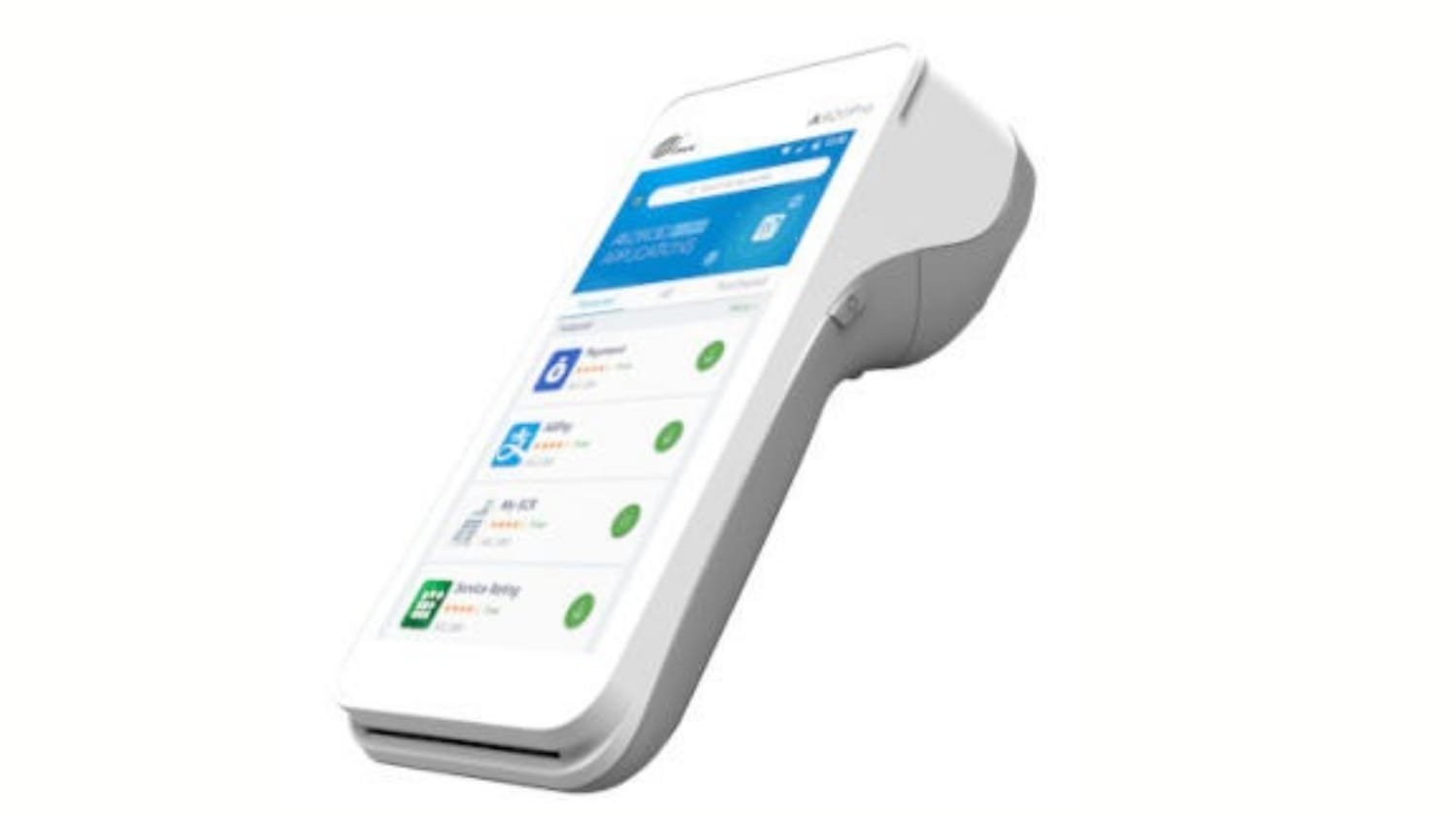
In today’s rapidly changing world, accepting cash only is no longer enough. Customers expect fast, secure and convenient ways to pay for goods and services in person. That’s where a payment terminal becomes essential — it’s the reliable device that lets businesses accept card and digital payments quickly and safely at the point of sale.
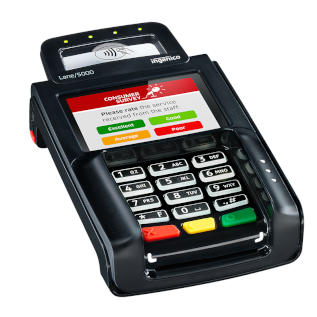
What Is a Payment Terminal?
A payment terminal is an electronic device used by merchants to process card payments directly at the checkout or service counter. Whether a customer swipes, inserts, or taps their credit or debit card, the terminal reads the card details and securely sends transaction data to the bank or payment processor for authorization.
Modern payment terminals also support contactless transactions and mobile wallet payments, such as Apple Pay or Google Pay, making them adaptable to how consumers prefer to pay today.
Why Payment Terminals Matter for Businesses
Offering card acceptance through a payment terminal brings direct benefits for businesses of all sizes:
- Faster, smoother checkouts: Customers can pay quickly and move on, reducing queues and improving their shopping experience.
- Greater convenience: With strong demand for cashless payments across sectors, terminals help businesses meet customer expectations and avoid lost sales when card payment isn’t available.
- Security and trust: Terminals use encryption and industry-standard protections to safeguard sensitive payment data, making transactions safer for both merchants and customers.
- Flexibility in operations: From fixed countertop units to portable or wireless models, payment terminals can be tailored to your business’s operation and space — whether at a store, restaurant, pop-up event, or outdoor market.
In many regions, consumers now prefer using card or contactless payments over cash, meaning a business without a payment terminal may risk losing sales simply because customers cannot pay their preferred way.
Choosing the Right Terminal
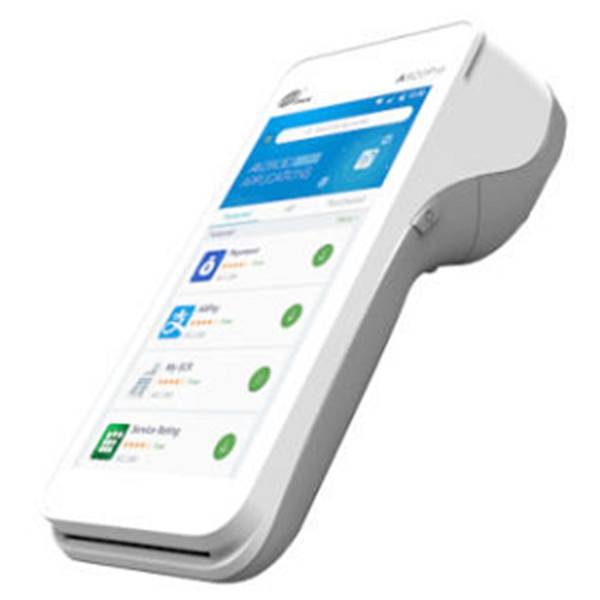
There isn’t a one-size-fits-all solution — the ideal payment terminal depends on your needs. Fixed countertop models work well for high-traffic retail locations, while mobile or wireless terminals provide added flexibility for service-oriented businesses or outdoor settings.
Many businesses also integrate payment terminals with broader point-of-sale (POS) systems, combining payment processing with inventory, sales reporting and customer management for even more streamlined operations.
Ready to Accept Card Payments?
If you’re looking to modernize how your business accepts in-person payments and offer customers a seamless payment experience, learn more about reliable payment solutions and how a payment terminal can support your operations.
Conclusion
In a world where cashless transactions have become the norm, having a payment terminal is no longer optional for businesses that want to stay competitive and customer-focused. By enabling secure, fast and flexible card payments, terminals help improve checkout efficiency, enhance customer satisfaction and support your business’s growth in the digital age.