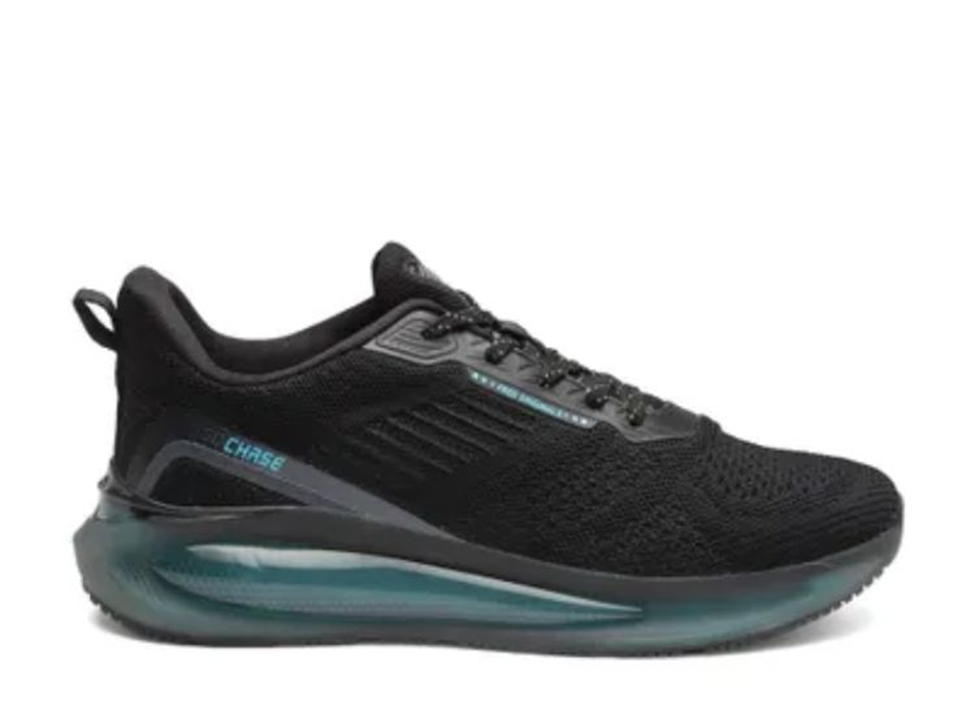
- Gym shoesrequire superior grip and flexibility to handle various gym routines and equipment. This can include weightlifting, cardio, kickboxing and even treadmills.
- Adequate ankle protection and interior cushioning help absorb shock and reduce the chances of foot fatigue.
- Features such as durable midsoles and stable outsoles are very important when choosing a pair of gym shoes.
Gym workouts involve a mix of movements. Treadmill runs, step-ups, squats and quick footwork all put pressure on different parts of the shoe. A pair that feels fine during walking may not provide enough stability when pushing through a weighted set or changing direction on a mat. That is why the choice of gym shoes plays a larger role than many expect.
People look for pairs that can handle repeated training sessions without wearing down too fast. Good shoes make each workout smoother and reduce distractions caused by discomfort. Knowing which features matter helps select a pair that supports progress rather than slowing it down.
Main Features of Gym Shoes
Gym shoes must work with the way feet move during different exercises. Stability and flexibility together keep steps natural without risking strain.
- Firmer heel support helps maintain balance during squats and lunges, where the foot needs a steady base.
- Flexible forefoot movement allows smoother transitions during treadmill runs and quick step drills.
- A secure midfoot wrap reduces sliding inside the shoe when lifting or shifting weight side to side.
- Some pairs designed as running shoes for gym also use wider outsoles to handle both running and moderate training work.
Support for Multiple Training Styles
Gym training changes every day, which means shoes need to handle different surfaces and movements. Many people choose cross-training shoes because they support both strength training and cardio work without wearing out quickly.
- A wider base under the heel provides a more planted feel during machines that involve lifting or pushing weights.
- Breathable uppers help feet stay comfortable during long sessions involving repeated treadmill intervals or cycling.
- Designs with added torsion control reduce the foot twisting inside the shoe during quick changes in direction on gym floors.
- Some pairs continue to support the toe area, which helps during activities that involve repeatedly pushing off the ground.
How Comfort Features Support Long Workouts
Comfort is a major factor because workouts involve constant pressure. Gym Shoes with cushioning that adapts to movement can help prevent early fatigue on long training days. Some people prefer comfortable running sneakers for sessions that involve more cardio.
- Softer inner padding reduces rubbing and keeps the foot relaxed while shifting between equipment.
- Foam layers that bounce back after each step minimise stress on joints during intense bursts of activity.
- Shapes designed to fit the natural arch prevent discomfort that builds up when standing or lifting for longer periods.
- Lightweight materials avoid the heavy feel that can slow down jumps, sprints or warm-ups.
Why Grip Matters for Gym Shoes
Surfaces in the gym can vary, and having gym shoesthat can adapt to this versatility without slipping or tripping is a must.
- Some sports running footwear uses rubber compounds that hold well even on slightly dusty floors.
- Deeper tread patterns improve grip on gym mats during side-to-side drills.
- A stable base keeps posture steady when lifting weights or leaning forward.
- Grip that stays reliable while turning suits routines that include short sprints and agility work.
Precautions to Take While Choosing Gym Shoes
Choosing the right gym shoes prevents discomfort and extends their life. Paying attention to comfort and grip can make workouts safer and more effective.
- Avoid shoes that feel tight at the toes, even in running shoes, as feet swell during cardio sessions.
- Check that fitness shoes have enough midsole support to reduce strain during jumps or weight training.
- Inspect the inner lining for rough seams or stiff spots that can cause rubbing during lateral movements.
- Ensure the outsole grips indoor surfaces without being too rigid, which helps prevent slips and maintains natural movement.
Final Recommendations
Choosing gym shoes comes down to fit, cushioning, grip and versatility. The right pair keeps feet comfortable during different exercises and helps maintain balance during treadmill runs, circuit training or strength sessions. Many brands in the modern market offer high-quality shoes with superior features at reasonable prices.
Simple care extends the life of the shoes. Drying them after sweaty sessions, wiping off dust or sweat, checking the soles for wear and rotating pairs when possible all help maintain performance for longer.
Frequently Asked Questions (FAQs)
- Can gym shoes be used outdoors for running or casual walking?
Some gym shoes can handle short outdoor runs, but repeated outdoor use wears down cushioning and traction faster than indoor training surfaces. - How often should gym shoes be replaced?
It depends on usage and intensity. Signs include wear and discomfort during normal activities. Rotating between pairs can extend life. - Do insoles improve the performance of fitness shoes?
Adding quality insoles can help distribute pressure and increase comfort during high-impact exercises. They work best if the shoe has enough depth to accommodate them.