
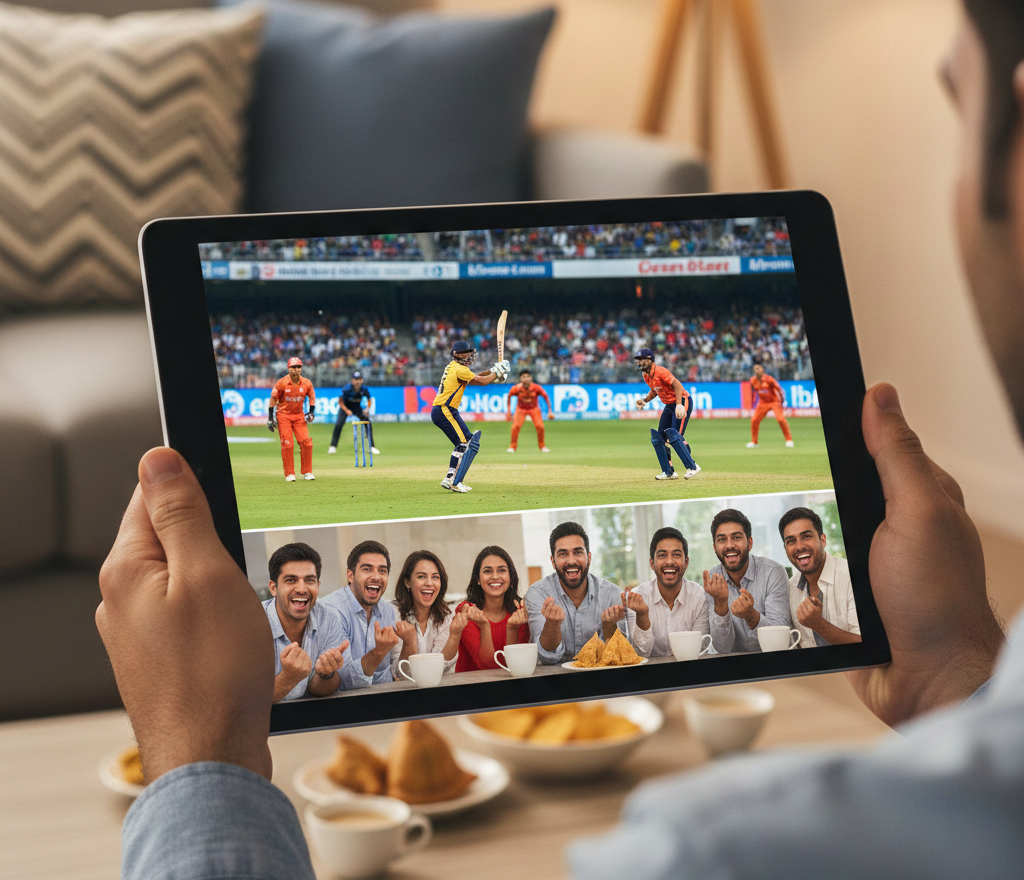
Evening scrolls in Hindi households often move through the same quiet sequence – quick checks of breaking stories, a glance at local updates, then an instinctive pull toward live cricket. One screen carries all of it, turning regional issues, entertainment snippets, and match drama into a single feed. When that flow is handled with care, live scorecards stop fighting the news cycle. They become small, stable windows that ride alongside headlines and help readers stay grounded in both the story of the day and the state of the game.
How Hindi News Habits Meet Live Cricket
For many Hindi readers, the news routine starts with a familiar portal that feels close to home – language, tone, and references all match the way people speak with friends and family. That is where they check politics, local events, and business stories before moving to lighter entertainment and sports. During major series, the same space quietly turns into a match companion. A headline about policy might sit next to a thumbnail showing who won the toss, and readers shift back and forth without changing devices or mindset. The platform becomes less of a single-purpose site and more of a daily lens onto both the country and the crease.
When that lens includes direct routes into live action, readers enjoy a smoother experience. Many who juggle work, family, and regional updates keep one trusted online desi score view ready for match days, opening it during ad breaks on TV or while scrolling through evening headlines. That habit removes the need for separate apps, logins, or unfamiliar layouts. The news page stays central, while the live card behaves like an extra layer that can be summoned, checked, and closed without derailing the original intent of the visit.
One Screen That Carries Headlines and Scoreboards
A shared screen for news and matches works best when hierarchy is clear. Top stories about policy, economy, or local safety deserve the prime slots that readers notice first. Sports blocks can sit lower on the page yet remain easy to reach during tournaments. This layout respects the idea that people arrive primarily to understand the day, then stay to follow the game. Live elements can appear in compact strips that show current score, overs, and basic context rather than noisy panels that push everything else aside.
Small Design Choices That Keep Attention Stable
Tiny interface decisions shape how sustainable this blended routine feels. A quiet color palette, steady typography, and restrained motion keep both news and cricket readable on mid-range phones. Live elements should refresh smoothly without jumping the page or forcing the user back to the top. Tap targets need enough space for quick checks during commutes or short breaks at work. When the same thumb can move from a headline to a scorecard and back in one calm arc, readers stay in control of what they see next, even while the match pace accelerates.
Match Nights That Still Leave Room for Reading
Match nights draw people toward the sports section, yet many still want to stay aware of weather alerts, transport changes, or late-breaking local stories. A balanced routine gives each layer its own time slot. Early evening can carry the heavier pieces – investigative articles, long reads, or explainers that demand full attention. As the game progresses, readers shift into lighter coverage, commentary, and quick score checks. The live feed becomes a background rhythm that supports conversation rather than a full-screen escape from everything else on the page.
A simple structure helps this work in practice: news first, match second, chat third. Readers open the site to check top Hindi stories, then slide into the sports area once they feel caught up. During strategic breaks in the game, they may return to regional or city sections to track developments that affect next-day plans. By flowing through the same portal instead of hopping across multiple apps, they keep context and reduce the mental friction that usually comes from constant switching.
One Device, Shared Homes, and Data Hygiene
In many desi households, a single phone or tablet becomes the shared window for both information and entertainment. That device might rest on a table during dinner while relatives gather to check scores and stories together. Under that pattern, privacy and safety move to the foreground. Browsers on shared hardware should open in modes that limit auto-fill of sensitive fields and reduce the amount of personal data left visible when the screen changes hands. Locking access to payment sections, account dashboards, and private messages helps separate family viewing from individual responsibilities.
Network choices also matter. News and cricket often stream over the same home Wi-Fi or mobile data plan. Caching key pages, trimming autoplay video, and favoring text-first score views reduce both costs and risk on weaker connections. Readers who know that their favorite Hindi news source will still load cleanly during storms or outages trust it more, returning to it as the default destination whenever something big happens, whether on the field or in the neighborhood.
A Viewing Pattern That Supports Everyday Life
When Hindi news flows and live cricket share a screen in a thoughtful way, they reinforce rather than compete with each other. The day’s main stories keep their place at the top, while live match windows remain available but contained inside a predictable frame. Readers gain a stable routine – check the headlines, track the game, return to local issues – without feeling that one interest erases the other.