
Introduction
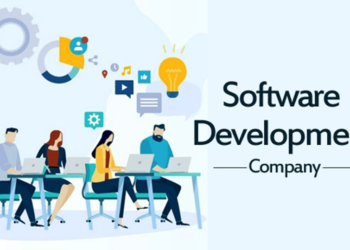
IT staff augmentation is a workforce strategy in which organizations temporarily or long-term extend their internal teams by hiring external technology professionals. This model is widely used by businesses and software development company to address skill gaps, manage fluctuating workloads, or accelerate project timelines.
Concept and Definition
Staff augmentation differs from traditional outsourcing in that external professionals work directly with an organization’s internal teams. These professionals typically operate under the client’s management and development processes while remaining employed by a third-party provider.
Evolution of Staff Augmentation
The model gained prominence with the rise of distributed software development and remote work. As technology projects became more specialized, organizations sought flexible ways to access expertise without permanent hiring commitments.
Common Use Cases
Organizations adopt IT staff augmentation for various reasons, including:
- Short-term project requirements
- Access to specialized technical skills
- Scaling development teams quickly
- Reducing recruitment and onboarding time
The model is particularly common in software development and system modernization projects.
Advantages of Staff Augmentation
Key benefits associated with IT Staff Augmentation Services include:
- Flexibility in workforce scaling
- Faster access to skilled professionals
- Reduced long-term employment costs
- Greater control over project execution
These advantages make the model attractive to startups and enterprises alike.
Comparison with Outsourcing
Unlike outsourcing, where an external vendor manages delivery, staff augmentation places responsibility for project management within the client organization. This allows closer alignment with internal standards and business objectives.
Challenges and Considerations
Staff augmentation also presents challenges, such as:
- Ensuring cultural and workflow alignment
- Managing remote or distributed professionals
- Maintaining data security and confidentiality
Clear communication and defined processes are essential to mitigate these risks.
Industry Adoption
Industries such as finance, healthcare, e-commerce, and logistics commonly use staff augmentation to support technology initiatives. The model is also adopted by teams working with offshore talent, including app developers India, for global projects.
Legal and Compliance Aspects
Organizations must consider contractual terms, intellectual property ownership, and compliance with local labor laws when engaging augmented staff. Clear agreements help prevent disputes and ensure accountability.
Future Trends
As remote work becomes more normalized, IT staff augmentation is expected to grow further. Advances in collaboration tools and project management platforms are likely to enhance the effectiveness of this model.
Conclusion
IT staff augmentation has become an established workforce strategy for technology-driven organizations. By offering flexibility and access to specialized skills through IT Staff Augmentation Services, companies can adapt efficiently to evolving project and business requirements.