The modern Indian kitchen is undergoing a quiet but significant transformation. While the traditional separation between kitchen and living areas still exists in most homes, kitchens today are far more visible than before. This has been made possible through modern design interventions like glass partitions, wider doorways, shared sightlines, and adjacency to dining spaces. This increased visibility has increased people’s expectations around how kitchens look, feel, and age over time. As a result, designers and homeowners are gravitating towards seamless, integrated surface solutions that reduce visual clutter and elevate the kitchen from a purely functional zone to a refined design statement. This shift is particularly evident in luxury and premium residential projects, where continuity of materials and finishes has become central to the overall aesthetic narrative of the home.
The Rise of Visual Continuity in Kitchen Design
Historically, Indian kitchens were designed with clear functional demarcations. There were separate countertop materials, tiled backsplashes, and visible joints that prioritised utility over visual flow. However, as kitchens have become more interconnected with dining and family spaces, these breaks now feel disjointed.
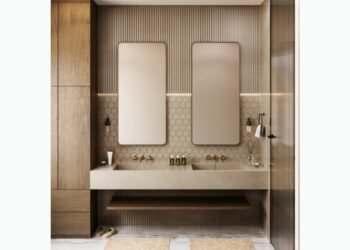
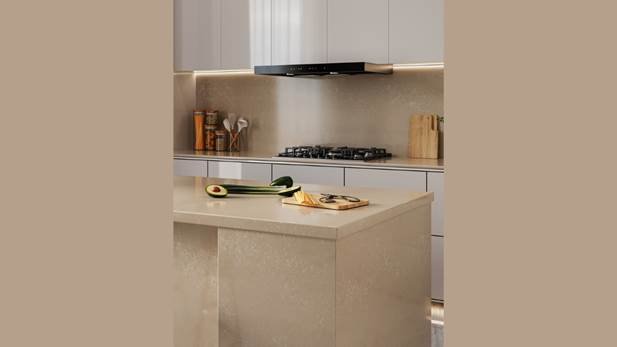
Integrated surfaces are those where countertops, backsplashes, and sometimes even window ledges or breakfast counters are crafted from the same material. They help create a sense of cohesion. By reducing seams, grout lines, and abrupt transitions, these surfaces allow the kitchen to visually recede rather than dominate, blending more harmoniously with the rest of the home. Designers note that this continuity is particularly valuable in apartments and villas where kitchens are partially visible from common areas.
Function Beyond Aesthetics
While the appeal of integrated surfaces is immediately visual, their functional advantages are equally compelling. Fewer joints mean fewer spaces for dirt, moisture, and grease to accumulate, which is an important consideration in Indian kitchens that see heavy daily use. Continuous backsplashes made from engineered stone or quartz surfaces are easier to clean and maintain than tiled alternatives, offering better resistance to stains and heat. Brands such as Specta Quartz Surfaces have played a significant role in popularising this approach, showcasing how engineered surfaces can combine durability with refined aesthetics.
In high-end homes, integrated surfaces are also being extended into built-in coffee stations, utility counters, and pantry zones. These additions allow secondary functions to feel intentional rather than appended, reinforcing the idea of the kitchen as a thoughtfully designed environment.
Uniformity Denotes Luxury
One of the defining characteristics of modern luxury is restraint. Instead of ornate detailing or multiple finishes, luxury kitchens today rely on precision, proportion, and material quality. Seamless surfaces support this philosophy by allowing the craftsmanship to speak quietly but confidently. Large-format slabs, minimal edge profiles, and uninterrupted planes create an impression of calm and order. Importantly, this approach does not require kitchens to be open-plan. Even enclosed kitchens can benefit from integrated surfaces, as they create a more composed and contemporary interior that aligns with the overall design language of the home.
The Influence of Global Design Thinking
The move towards seamless kitchens is also influenced by global design trends, particularly from European and Middle Eastern markets, where integrated kitchens have long been associated with premium living. International fittings and fixture brands such as Häfele and Kohler have further reinforced this narrative by designing hardware, sinks, and accessories that integrate discreetly into surface-led kitchens.
Indian homeowners, especially in the luxury segment, are increasingly well-travelled and design-aware. They are seeking kitchens that feel globally relevant yet locally functional—spaces that accommodate Indian cooking practices while reflecting international design sensibilities.
Another reason integrated surfaces are gaining traction is their longevity. Trend-driven colours or decorative tiles often date quickly, whereas seamless, neutral-toned surfaces age more gracefully. This makes them a practical choice for homeowners who view kitchens as long-term investments rather than frequent renovation projects. Additionally, integrated designs allow for easier upgrades over time. Appliances, fittings, or cabinetry styles can evolve without disrupting the core surface language, ensuring that the kitchen remains contemporary for years.
A Thoughtful Evolution
Seamless kitchens are not about removing boundaries but refining them. As kitchens become more visible within the home, their design must balance performance with polish. Integrated surfaces achieve this balance by offering visual continuity, functional efficiency, and understated luxury. In shaping the next generation of Indian kitchens, designers are no longer asking how much a kitchen can hold—but how effortlessly it can belong.