
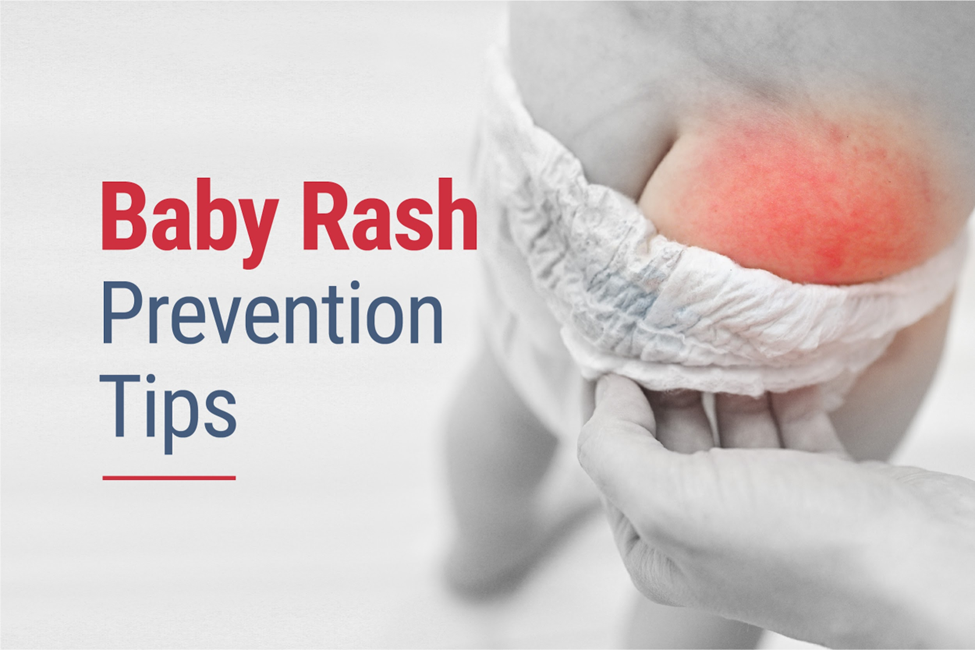
If you walk into a home with a newborn almost anywhere in India, the scene is likely similar. The ceiling fan is whirring at full speed, the windows might be draped to keep out the afternoon glare, and a parent is gently checking their baby’s skin. In a country where the weather swings from the dry heat of the north to the sticky humidity of the coast, skin irritation has become a silent, daily battle for families.
It is a familiar cycle. You finish a diaper change or a bath, and there it is, a flash of redness on the neck, a bumpy patch on the back, or chafing near the thighs. For Indian parents, this isn’t just a medical issue; it’s a climate issue.
The conversation around baby care in India is changing because of this reality. Parents are no longer just looking for products that smell nice; they are looking for solutions that actually work in 40-degree heat or monsoon dampness. This shift has pushed homegrown names like Mother Sparsh to the forefront, not just as brands, but as participants in a movement toward gentle, preventative care that respects the local environment. It reflects a growing understanding that Indian baby skin needs protection designed for Indian weather, not generic solutions borrowed from colder climates.
The ‘Sweat and Seal’ Effect
The biggest antagonist for a baby’s skin in India is trapped moisture. Unlike adults, babies have underdeveloped sweat glands. When you combine high temperatures with layers of clothing or diapers, sweat has nowhere to go.
In humid cities like Mumbai or Kolkata, this creates a ‘greenhouse effect’ inside a diaper or under a onesie. The moisture sits on the skin, softening the protective barrier and making it easy for bacteria to settle in. This is why parents often notice rashes flaring up after a long nap or a car ride, times when airflow is limited. It is rarely a sign of poor hygiene; often, it is simply the result of delicate skin meeting a tough climate.
Rethinking the Bath Routine
For generations, the Indian solution to heat was water. The instinct is to bathe the baby frequently to cool them down. However, dermatologists and experienced parents are now advocating for a ‘less is more’ approach.
Over-washing, especially with harsh soaps, strips the natural oils that keep a baby’s skin healthy. The modern approach focuses on ‘topping and tailing’, using a soft, wet cloth to gently clean key areas without drying out the whole body.
When a full bath is needed, the water temperature matters. In many households, there is a worry that tepid water will cause a cold, so water is kept warm. But hot water on a hot day can trigger prickly heat. Lukewarm water is the sweet spot. And crucially, drying matters more than washing. Patting the skin dry, paying close attention to the chubby folds of the neck and knees, removes the hidden moisture that causes chafing.
Cotton is Still King
Despite the flood of trendy synthetic baby clothes in the market, experienced parents are returning to the basics. In the battle against rashes, breathable fabric is the first line of defense.
Grandmothers who recommended old, soft cotton saris for nappies had the right idea. Cotton allows the skin to breathe and sweat to evaporate. During the peak of summer or the humid monsoon season, loose-fitting cotton clothing minimizes friction. If you live in a polluted metro, drying these clothes in direct sunlight or ironing them helps kill bacteria that detergent might miss.
Mindful Ingredients Over Strong Fragrances
A decade ago, the smell of strong baby powder was the scent of a clean baby. Today, that narrative is flipping. Indian parents are increasingly wary of strong fragrances, which are often masked irritants.
The focus has shifted to prevention through purity. Using water-based wipes, like the 99% Pure Water Unscented Baby Wipes, instead of alcohol-heavy ones, or choosing lotions with natural plant-based ingredients, helps maintain the skin’s pH balance. The goal is no longer to mask odors or dry the skin out completely, but to create a healthy barrier. Many parents now apply a thin layer of protective cream or coconut oil before a rash appears, acting as a shield against the wetness of a diaper.
Consistency Over Panic
It is easy to spiral into worry when you see a red patch on your baby’s skin. Did I eat something spicy? Is the detergent too strong?
The reassuring truth is that in the Indian climate, some level of skin sensitivity is almost inevitable. It doesn’t mean you are doing a bad job.
Preventing rashes isn’t about sterilizing everything or finding a miracle cure. It is about small, consistent adjustments. It is changing a diaper ten minutes earlier, choosing the cotton vest over the polyester party dress, and trusting that fresh air is often the best medicine. By keeping routines simple and staying in tune with the weather, parents can keep their little ones comfortable, even when the temperature outside says otherwise.