
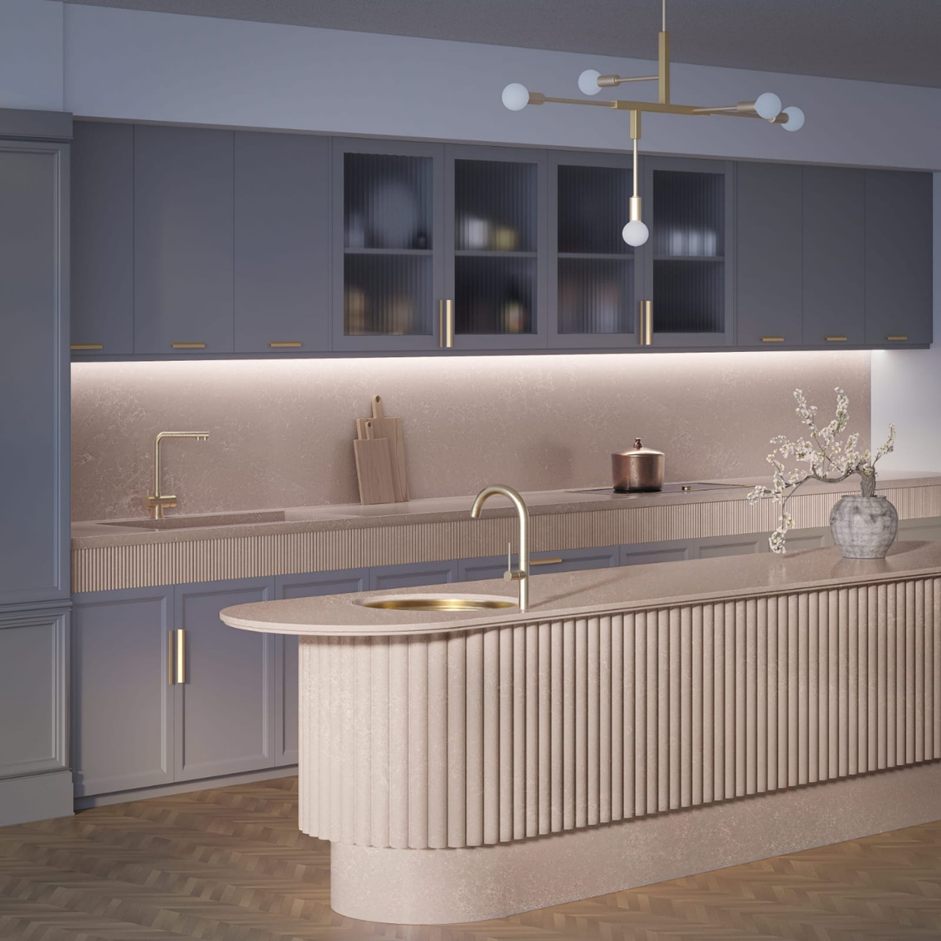
Designing a contemporary kitchen often comes down to the finer details, and one of the most defining choices is the finish. Matte or gloss? While it may seem like a purely aesthetic decision, the finish you choose can significantly influence how your kitchen looks, feels, and functions on a daily basis.
From how light interacts with surfaces to how easily they handle wear and tear, both matte and gloss finishes bring their own strengths to the table. The key lies in understanding what works best for your space, lifestyle, and design intent.
Understanding the Visual Impact
At a fundamental level, the difference between matte and gloss lies in how they interact with light. Glossy finishes are reflective. They bounce light around the room, making kitchens appear brighter, larger, and more dynamic. This makes them particularly effective in smaller kitchens or spaces with limited natural light, where enhancing brightness can transform the overall ambience. Brands like Asian Paints have long leveraged high-gloss finishes in modular kitchens to create sleek, contemporary spaces that feel open and polished.
Matte finishes, on the other hand, absorb light. Instead of reflecting it, they diffuse it, creating a softer, more muted visual effect. The result is a kitchen that feels calm, grounded, and understated. Matte surfaces are often associated with modern minimalism and are increasingly popular in homes that favour subtle elegance over high shine.
Matching the Finish to Your Home’s Aesthetic
The choice between matte and gloss should align with the overall design language of your home. If your interiors lean toward a more luxurious, high-gloss aesthetic—with statement lighting, metallic accents, and bold design elements—glossy kitchen finishes can complement that look seamlessly. They amplify brightness and add a sense of drama that works well in such environments.
On the other hand, if your home embraces muted palettes, natural materials, and a more relaxed, contemporary vibe, matte finishes are a better fit. They blend effortlessly into understated interiors, adding depth without overwhelming the space.
For cabinetry and laminates, brands like Century Laminates offer both matte and gloss options, allowing homeowners to experiment with finishes that suit their personal style.
Performance in Everyday Use
While aesthetics are important, kitchens are high-use spaces—and performance matters just as much as appearance. Matte finishes tend to be more forgiving in daily use. They conceal fingerprints, smudges, and minor scratches better than gloss surfaces, making them ideal for busy households. This is particularly useful for lower cabinets, drawers, and high-touch areas that are prone to wear. Gloss finishes, while visually striking, can show fingerprints and smears more easily. This means they may require more frequent cleaning to maintain their shine—especially in kitchens that see heavy use.
For surfaces like countertops, durability becomes even more critical. This is where materials matter more than just the finish. Quartz stones from Specta Quartz Surfaces offer both glossy and matte finish quartz that combines visual softness with high performance. These surfaces are non-porous, resistant to stains, and designed to handle everyday wear, making them particularly suited for kitchen slabs.
Breaking the Myth Around Colour Choices
A common perception is that glossy finishes offer more variety when it comes to colours. While gloss does enhance vibrancy through reflection, matte finishes have evolved significantly in recent years.
Today, matte surfaces are available in a wide spectrum of shades—from deep neutrals to soft pastels and nature-inspired tones. In fact, brands like Specta Quartz Surfaces have expanded the possibilities of matte design by introducing colours that go beyond the conventional blacks, whites, and beiges. Subtle greens, blush pinks, and muted blues allow homeowners to experiment with colour while maintaining a refined, contemporary look. This makes matte finishes particularly appealing for those who want to introduce colour in a sophisticated, understated way.
Considering Light, Layout, and Longevity
Choosing between matte and gloss isn’t just about immediate appeal—it’s also about how the space will perform over time. In kitchens with ample natural light, matte finishes help balance brightness and prevent glare. In darker spaces, gloss can help amplify available light and make the kitchen feel more open.
It’s also worth considering how different finishes age. Matte surfaces tend to maintain a consistent look over time, while gloss finishes may show wear more visibly if not maintained well. A practical approach many designers recommend is mixing both finishes strategically—using gloss for upper cabinets to reflect light and matte for lower surfaces and countertops for durability and ease of maintenance.
Striking the Right Balance
Ultimately, there’s no one-size-fits-all answer. The choice between matte and gloss depends on how you want your kitchen to feel, how you use it, and how much maintenance you’re willing to take on. In the end, the most successful kitchens are those that don’t just follow trends, but respond thoughtfully to the way people live in them every day.